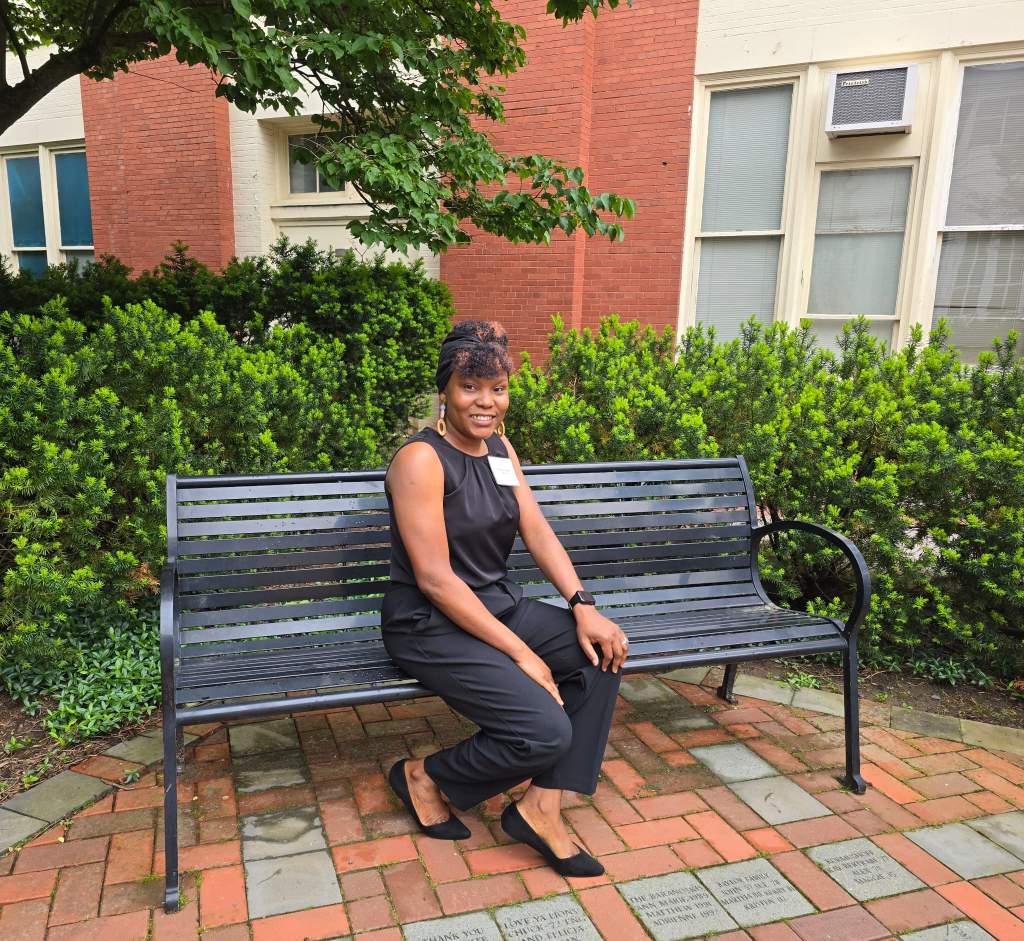
As an educator, my teaching philosophy is grounded in the principles of social justice, inclusiveness, transnationality, and the transformative power of writing. I believe that every student brings a unique set of experiences, knowledge, and perspectives to the classroom, and it is my responsibility to create an environment that celebrates and builds upon this diversity. By fostering a collaborative, supportive, and intellectually stimulating atmosphere, I aim to empower students to become confident, critical thinkers, and effective communicators.
Central to my teaching approach is the belief that writing is a social act that has the potential to effect change in both personal and public spheres. I design first-year writing classes to encourage students to explore the ways in which writing can be used to advocate for social justice, challenge dominant narratives, and contribute to meaningful conversations in their communities. By engaging with a wide range of texts and perspectives, students develop the skills necessary to analyze, interpret, and respond to complex ideas in a globalized, hypercultural world.
Diversity Statement
As an international scholar and educator from Nigeria, I bring a unique perspective and set of experiences to my teaching and research in the field of Rhetoric and Composition. My journey has been shaped by the challenges and opportunities of navigating diverse cultural landscapes, both in my home country and in the United States. These experiences have instilled in me a deep commitment to fostering inclusive and equitable learning environments that celebrate the diversity of our students and their ways of knowing.
Growing up and completing my education up to the master’s level in Lagos, Nigeria, I was immersed in a rich assemblage of cultures, languages, and literacies. This exposure to diversity from an early age has been instrumental in shaping my worldview and my approach to teaching. As an assistant lecturer at the University of Lagos, I had the privilege of working with students from various backgrounds, including those with visual impairments. This experience taught me the importance of adapting my teaching methods to meet the needs of all learners and to create an inclusive classroom environment that values each student’s unique contributions. Upon joining the Rhetoric and Writing PhD program at Virginia Tech, a predominantly white institution (PWI), I became acutely aware of the cultural nuances and challenges that many students from underrepresented backgrounds face in higher education. As an African international scholar, I experienced firsthand the marginalization and erasure that can occur when one’s identity and ways of knowing do not align with the dominant culture. These experiences have fueled my commitment to promoting diversity, equity, and inclusion in my teaching and research.
In my first-year writing classes, I intentionally incorporate alternative literacies and diverse perspectives into the curriculum to ensure that all students see themselves represented. By expanding the definition of literacy beyond traditional academic reading and writing, I create space for students to bring their unique cultural backgrounds and experiences into the classroom. This approach not only enriches the learning experience for all students but also helps to foster a sense of belonging and respect for diversity. Furthermore, I am committed to tackling issues of cultural bullying and ethnocentrism within the classroom setting. In the past, I have seized opportune moments to engage in critical conversations about the problematic nature of “standard English” idolization and the value of linguistic diversity. By creating a safe space for every student to share their own experiences and perspectives, I aim to promote cross-cultural understanding and challenge the dominant narratives that marginalize certain identities.
As I continue my journey as an educator and scholar, I remain committed to advancing transnationality, diversity, equity, and inclusion in higher education. My research interests in transnational rhetorics, diasporic African rhetoric, and non-western rhetorical traditions reflect my dedication to amplifying marginalized voices and ways of knowing. By bringing these perspectives into the classroom and my scholarly work, I hope to contribute to the creation of more inclusive and equitable spaces for all students.






 Tèmítọ́pẹ́ Ọ̀jẹ́délé-Adéjùmọ̀