As an educator, my teaching philosophy is rooted in the principles of social justice, inclusivity, transnational perspectives, and the transformative power of writing. I believe every student brings a rich tapestry of experiences, insights, and perspectives to the classroom, and I see it as my responsibility to foster an environment that honors and builds on this diversity. I am dedicated to creating a collaborative, supportive, and intellectually stimulating space where students are empowered to become confident, critical thinkers and effective communicators.
Teaching Literacy
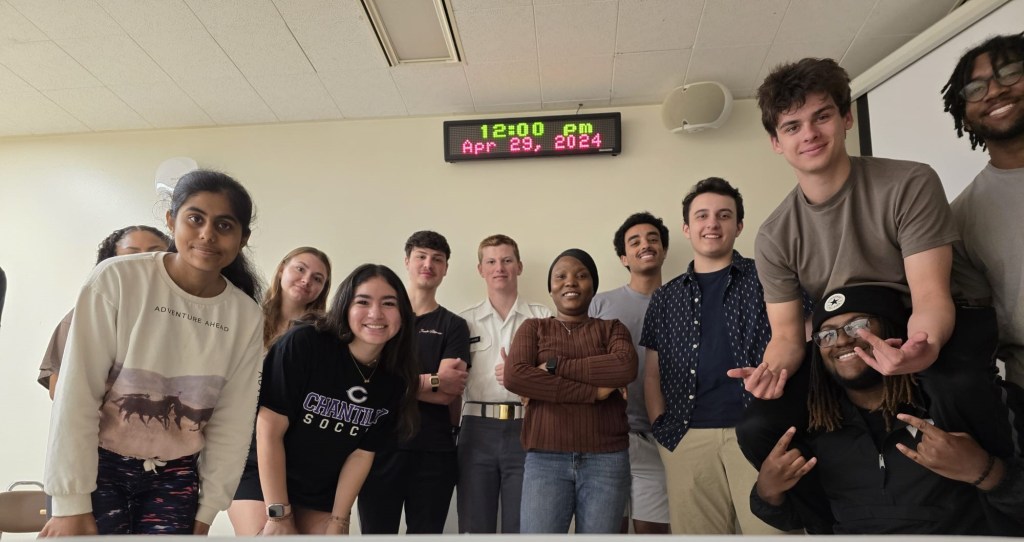
In my first-year writing courses, I focus on writing as a social act that can drive meaningful change. Through projects like the Literacy Narrative in ENGL 1105, I encourage students to explore their own language practices, expanding the definition of literacy to include oral storytelling, visual communication, and digital literacies. This inclusive approach validates the diverse literacy practices students bring, helping them recognize the connection between language and identity while fostering respect for their peers’ unique experiences.


Social Justice Research
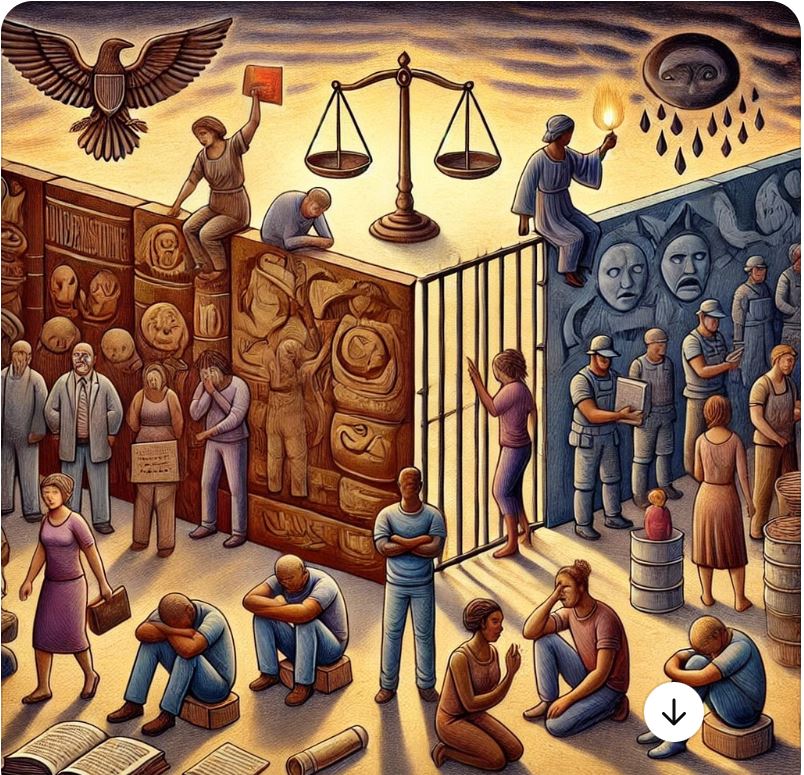
In my ENGL 1106 course, Writing from Research, I guide students through research projects on social justice and representation, challenging them to examine critical issues in their fields and broader societal contexts. By connecting research to their personal or disciplinary interests, students see the relevance of their work beyond the classroom and become agents of change in their fields and communities.

Discovering a World of Possibilities
In my classroom, I prioritize active learning and a student-centered approach, inviting students to explore their ideas, challenge their assumptions, and learn from one another. This environment nurtures curiosity and creativity, encouraging students to see learning as a journey full of possibilities. I continuously reflect on and refine my teaching practices, staying engaged with current research in composition pedagogy to ensure I’m providing the best support for my students’ growth.
My ultimate goal is to equip students with the skills, knowledge, and confidence they need to thrive both academically and personally. I believe writing has the power to transform lives and communities, and I am committed to helping students harness that potential to create positive change in the world, inspiring them to become lifelong learners and engaged citizens.






 Tèmítọ́pẹ́ Ọ̀jẹ́délé-Adéjùmọ̀