This morning, I woke up feeling a rare and deeply satisfying sense of rest and accomplishment, something I hadn’t experienced in a long time. My committee chair had suggested I take a break after the grueling process of my preliminary exams – both written and oral – which required reading countless books and articles, and producing a literature review that earned high praise from my committee. I had poured everything into this process, leaving me intellectually exhausted, all while balancing conference preparation, teaching, motherhood, and the complex demands of my life. It had been overwhelming.
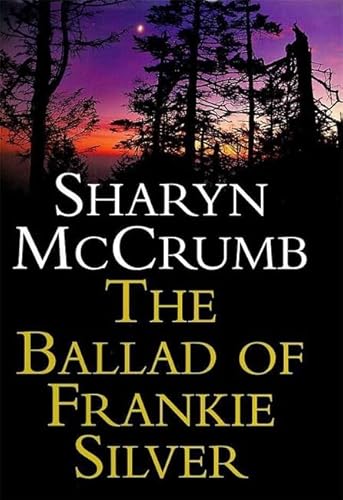
But today, I woke up genuinely relaxed, with nothing to rush through or prepare for. This unfamiliar calmness washed over me as I lay in bed, staring at the ceiling, everyone else still asleep. I considered checking my phone but didn’t want to break the silence and tranquility of the moment by plunging into the noisy digital world. I found myself craving a John Grisham novel, but all my favorites were back in Nigeria. Then I remembered some novels I had picked up from the department last year that I hadn’t given much thought to. I scanned my bookshelf and settled on The Ballad of Frankie Silver by Sharyn McCrumb.
I began reading tentatively, realizing I was rusty; academic texts had dominated my reading for so long. But as I read, I gradually relaxed into it. My Alexa played on 99.1, filling the room with a nostalgic mix of songs, from Mariah Carey’s “Dreamlover” to Tracy Chapman’s “Fast Car.” In that moment, I felt sixteen again, back in my room in Ayobo, a suburb in Lagos, Nigeria, lost in a crime novel with Cool FM 96.9 playing in the background. The nostalgia nearly brought me to tears. I felt good. I felt renewed. It was like a deep repair had taken place.





 Tèmítọ́pẹ́ Ọ̀jẹ́délé-Adéjùmọ̀
Leave a comment