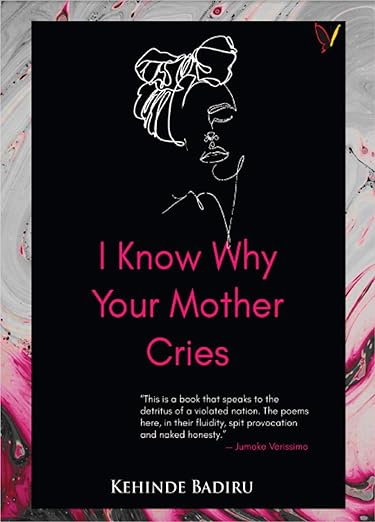
Foremost postcolonial Nigerian poet, Niyi Osundare, opines that “in the intricate dialectics of human living, looking back is looking forward” (The Eye of the Earth, xii). In a similar vein, leading Nigerian playwright and Nobel Laureate, Wole Soyinka, argues of human daily choices and decisions in his essay “The Credo of Being and Nothingness” that “destiny is self-destination” (2). In other words, humankind is continue reading.
Hello,
I’m Tèmítọ́pẹ́

As a central analytic for the work of the institutional ethnographer, standpoint foregrounds the ways individuals are unique and therefore uniquely experience the broad social relations and institutional circuits in which they are embedded.
Standpoint recognizes that how people negotiate their social circumstances as professionals is entirely wrapped up in their ways of being in the world—who we are, what we know, how we are seen by others, our designated roles, and how we have been credentialed or come by our experiences all play a role in how we carry out our daily work.— Michelle LaFrance, Institutional Ethnography, 2019.





 Tèmítọ́pẹ́ Ọ̀jẹ́délé-Adéjùmọ̀
Leave a comment